
Navigating the world of parenting can feel like traversing a maze blindfolded. When terms like ‘solo parenting’ and ‘single parenting’ are thrown around, it can be tempting to lump them together like they’re some kind of family tree branches sprouting from the same trunk. But hold onto your coffee mug, there are crucial differences. Understanding these distinctions not only helps in conversations but can provide valuable insight into the challenges and support systems available for both types. So, buckle up as we explore the nuances of raising kids on your own. It’s going to be an enlightening ride.
Defining Solo Parenting
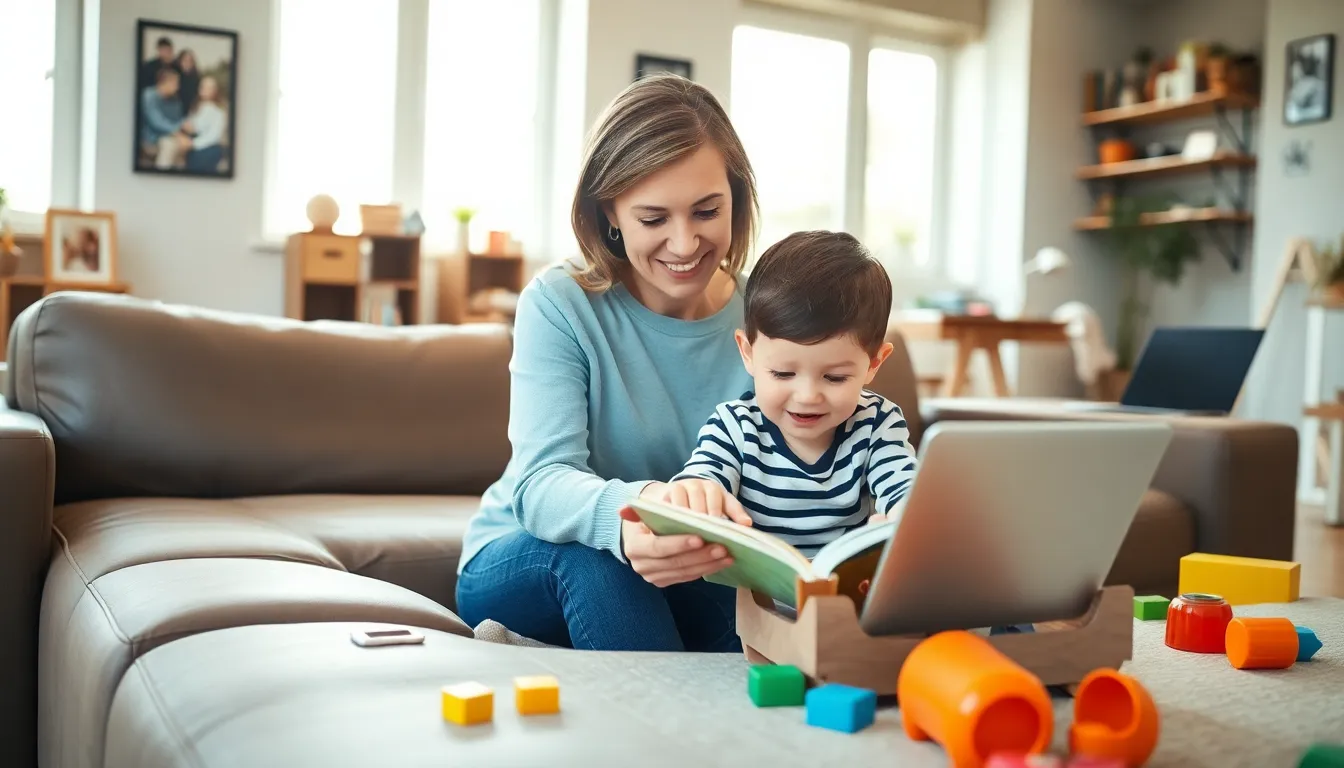
Solo parenting is when one parent takes on the full responsibility for raising a child without the co-parenting aspect that typically accompanies a two-parent household. In this scenario, the solo parent is often the sole decision-maker, caregiver, and provider. This may occur for various reasons including the unexpected loss of a partner, some unique lifestyle choices, or simply a deliberate decision to raise children independently. Picture a solo parent as a one-woman or one-man band, juggling responsibilities while creating their unique symphony of family life.
Defining Single Parenting
Single parenting, in contrast, involves raising children without the support of a partner but typically implies a former partnership, like divorce or separation. Here, one parent has custodial responsibility while the other might contribute emotionally, financially, or occasionally share caregiving duties. Single parents may still have contact with their child’s other parent and are often navigating the complexities of co-parenting, like scheduling visitation or discussing education decisions. Think of single parenting as a duet gone solo, where the echoes of past collaboration can still linger in the air.
Key Differences Between Solo and Single Parenting
At a glance, one might think solo and single parenting are interchangeable terms. But, the essence of their differences lies in the situation surrounding their parenting journeys.
- Origin: Solo parenting often arises from circumstances such as personal choice or tragic events, while single parenting frequently results from a prior relationship.
- Support Systems: Solo parents typically have no active co-parent to assist. In single parenting, while responsibilities may fall predominantly on one parent, the other parent may still be involved.
- Social Dynamics: Solo parents can experience unique social challenges, sometimes facing judgment about their choices, while single parents might contend with complex interpersonal dynamics with their ex-partners.
Understanding these nuances helps clarify the unique experiences faced by each type of parent.
Challenges Faced by Solo Parents
Solo parents often encounter an array of challenges.
One major hurdle is financial strain. With only one income, budgeting can turn into a high-stakes game of Monopoly, where every decision feels like it could land them in the poorhouse. Also, balancing work and family life can feel overwhelming. Juggling responsibilities can lead to exhaustion, both physically and emotionally.
Social isolation is another issue. Many solo parents find it tough to connect with others who understand their unique situation. They might feel like they’re on an island, even when surrounded by others, leading to feelings of loneliness. Eventually, the path of a solo parent is often filled with waves of both joy and challenge.
Challenges Faced by Single Parents
Single parents encounter challenges too, and some might overlap with those faced by their solo counterparts. For starters, navigating co-parenting can be tricky. Hurdles like different parenting styles or custody conflicts can create strain and tension. Communicating with an ex can feel like trying to solve a Rubik’s Cube blindfolded, frustrating at best.
Also, single parents may struggle with guilt. They may ruminate on how to balance time between work and their kids, often feeling they aren’t doing enough in either area. This guilt can compound the stress of daily life, sometimes leading to burnout. Just like solo parents, single parents juggle many roles, but the presence of an ex-partner adds an additional layer of complexity.
Support Systems Available for Solo and Single Parents
Support systems play a vital role in the lives of both solo and single parents. Community resources such as parenting groups, online forums, and local meetups can provide both emotional support and practical advice.
Nonprofit organizations often offer programs designed specifically for single parents, helping navigate both the joys and hurdles of single parenting. Also, many solo parents find solace in connecting with fellow solo parents who understand their challenges firsthand.
Online communities can also be a goldmine. They offer quick tips, emotional support, or even a virtual shoulder to lean on. Eventually, a strong support network can make the journey of parenting alone feel a little less daunting.
Tips for Navigating Parenting Alone
Navigating the arduous journey of parenting alone can be challenging, but there are strategies that make it bearable.
- Establish a Routine: Children thrive on structure. Creating consistent routines can help minimize chaos and provide a sense of security for both parent and child.
- Ask for Help: Don’t be afraid to reach out. Whether it’s family, friends, or local resources, having a support system in place can help ease burdens.
- Make Time for Self-Care: A well-rested parent is often a happier parent. Finding even small moments to recharge can have a significant positive impact.
- Embrace Flexibility: While routines are essential, sometimes life throws curveballs. Being open to adjusting plans can reduce stress.
- Set Realistic Expectations: Remember, perfection isn’t the goal. Focus on what is working for your family and celebrate small victories.