
So, you’ve heard it before: after the fireworks, the intrigue settles and you’ll inevitably ask yourself, “Should I pee?” This question becomes even trickier when you’re trying to conceive. It’s not just about comfort: there’s a science to it. With guidance that’s both practical and humorous, let’s jump into this everyday conundrum. Who knew bathroom habits could have such a profound impact on your baby-making journey? Let’s clear the air, literally.
Understanding the Basics of Conception
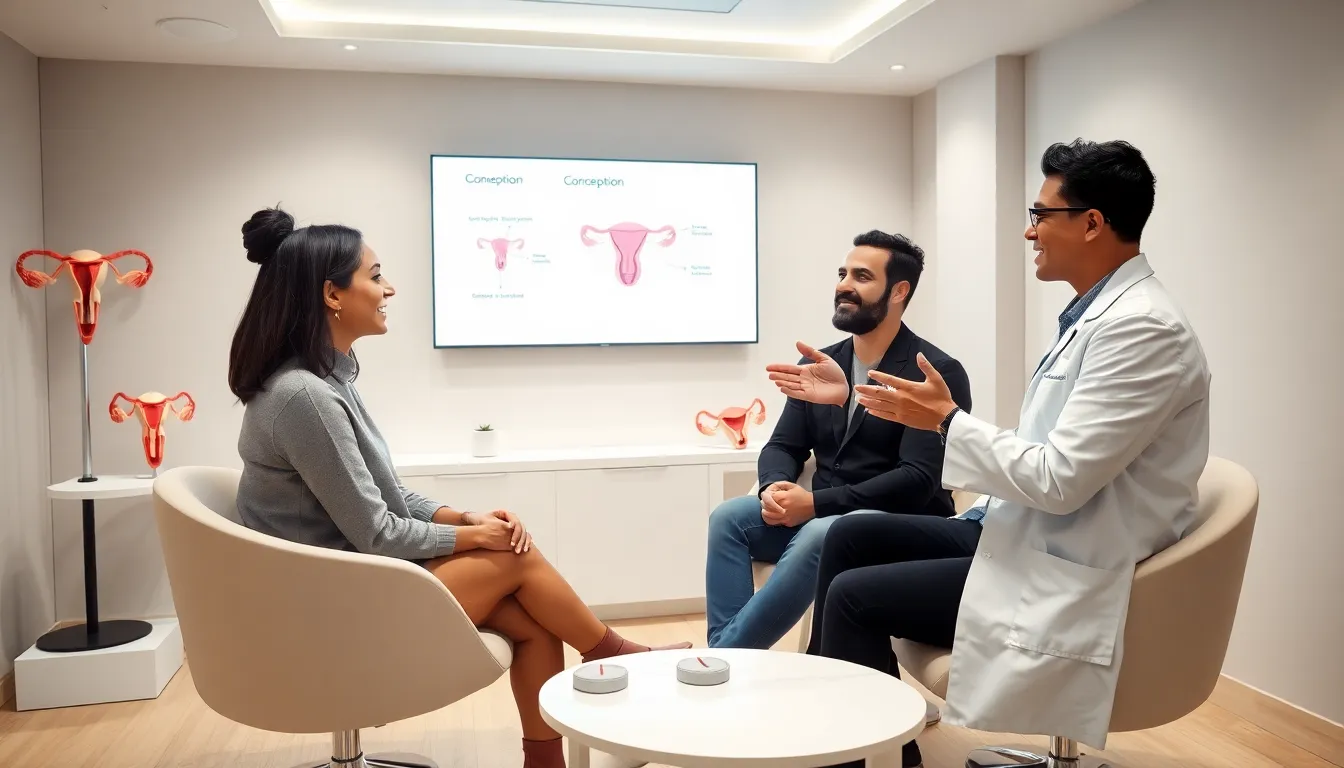
Conception is a fascinating process rooted in intricate biological functions. It begins with sperm and an egg, where one lucky sperm competes to unite with the egg lurking in the fallopian tube. Once this union happens, a new life may begin.
Understanding this process is crucial. Simply put, conception occurs when an egg is fertilized by a sperm. The health of both sperm and egg dramatically influences whether this magical moment will result in pregnancy.
The Role of Sperm in Fertilization
Sperm is not just a number, quality matters too. When a couple tries to conceive, they often overlook sperm motility and morphology, key factors that aid in successful fertilization.
Healthy sperm swim fast and navigate efficiently. They need to reach the egg before the window closes. The environment in the reproductive tract also plays a critical role. Factors such as pH levels and the presence of cervical mucus can enhance sperm’s journey.
Should You Pee After Sex?
You might find yourself asking, should one pee after sex while trying to conceive? Here’s a closer look at both sides of the argument.
Potential Benefits of Urination After Intercourse
Some believe that peeing can help flush out bacteria and other potential irritants. This may reduce the risk of urinary infections, a concern for many. Besides, a clean slate never hurts.
Possible Concerns About Urinating Post-Sex
On the flip side, many wonder if urinating could jeopardize the chances of sperm meeting the egg. While there’s no solid evidence to back this claim, concern arises about losing sperm that may have stayed in the vaginal canal post-intercourse. So, what’s the best course of action? Aiming for balance is key.
Tips for Enhancing Your Chances of Conceiving
Conception isn’t just about timing intercourse: it involves a holistic approach. Here are some tips to enhance one’s chances of conceiving.
Best Practices for Timing and Positioning
First, timing is everything in the baby-making game. Tracking ovulation through methods like temperature charting or ovulation kits can help pinpoint the most fertile days.
Also, positions that allow for deeper penetration may increase the likelihood of sperm reaching the egg: after all, they have more distance to swim.
Nourishing Your Body for Reproductive Health
A well-balanced diet rich in vitamins and minerals can make a world of difference. Nutrients such as folic acid, zinc, and vitamin C support reproductive health. Both partners should focus on incorporating these elements into their meals to create an optimal environment for sperm and egg.
When to Consult a Healthcare Professional
Understanding when to seek professional help can be vital for couples trying to conceive. If you’ve been trying unsuccessfully for a year (or six months if over 35), it may be time to chat with a healthcare provider.
Various factors, from hormonal imbalances to stress, can affect fertility. Professional guidance can unveil potential issues that might be affecting your journey. When in doubt, leaning on the expertise of a professional can provide clarity.
Understanding Fertility Myths and Facts
When it comes to conceiving, the internet is buzzing with myths that can confuse. For instance, some believe that certain positions after sex can enhance the likelihood of conception, but there’s little scientific backing for this.
Separating fact from fiction is crucial. Partners should prioritize evidence-based practices in their journey rather than relying on theories without merit.