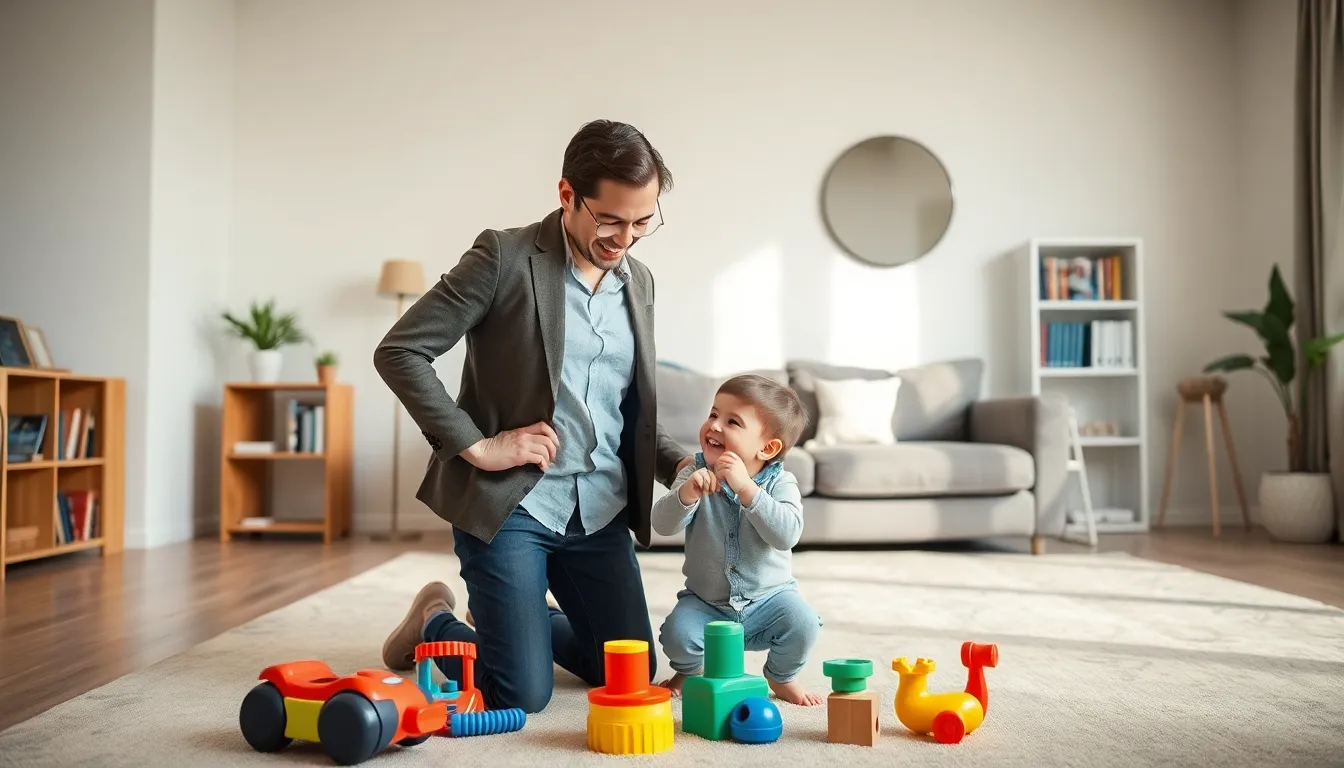
Navigating this wild world of parenting is no easy feat, especially for those doing it alone. Whether it’s your first kid or your fifth, the phrases “solo parenting” and “single parenting” often come up in conversations. But do they mean the same thing? And which one feels like the ultimate juggling act? In this text, we’ll break down the nitty-gritty of these terms, sprinkle in some humor, and provide insight into the lives of parents who face these unique challenges. Grab your favorite coffee (or tea, no judgment here) and let’s immerse.
Defining Solo Parenting
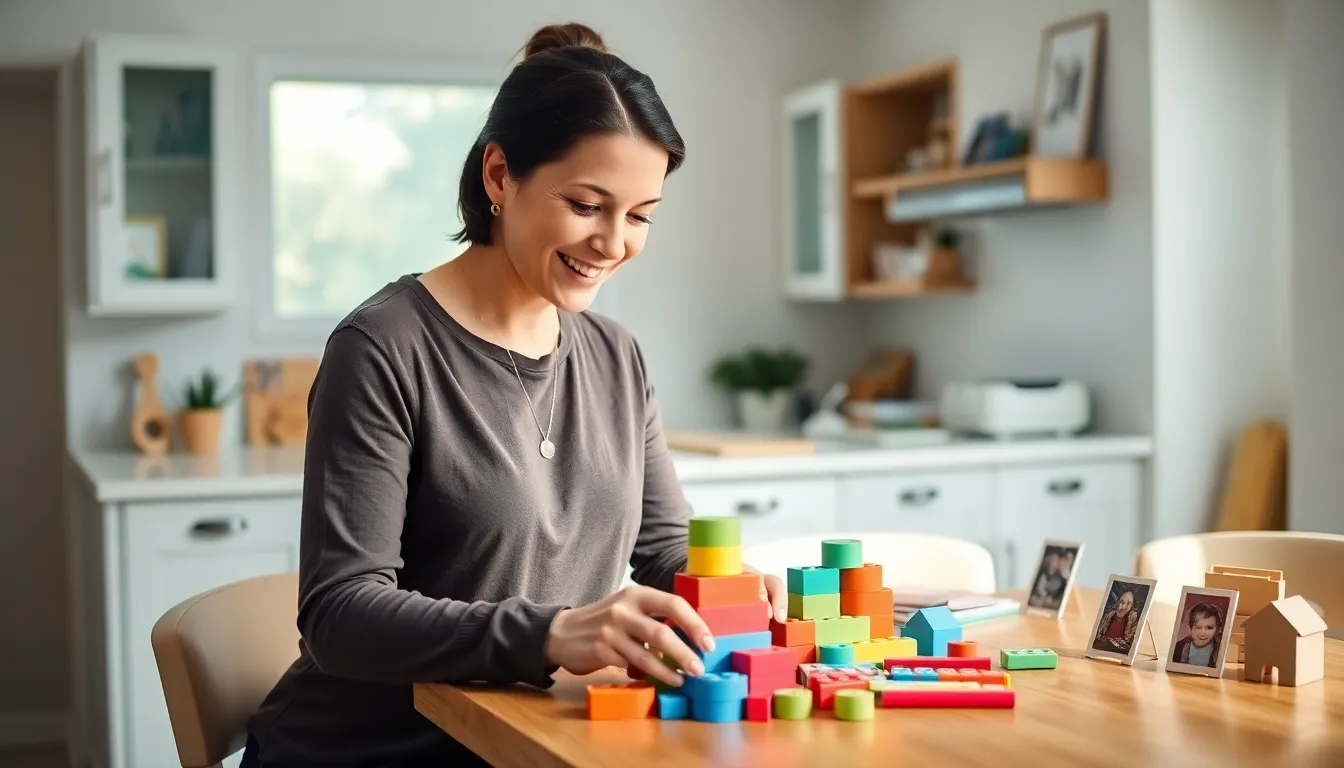
Solo parenting refers to the intricate dance of raising children without a partner. This often encompasses situations where one parent takes on the full responsibility of childcare, whether by choice or circumstance. Think of it as the ultimate one-person show, where every act, feeding, teaching, and nurturing, rests solely on that individual’s shoulders.
In many cases, solo parenting can arise from situations like being widowed or choosing to have a child without a partner. There’s a significant sense of independence required, but it also presents a complicated emotional landscape. It’s a life filled with decisions made alone, going to appointments alone, and certainly, dealing with the chaos of family life alone. Picture a superhero without a sidekick, everyone loves the hero, but they sure could use a little help sometimes.
Defining Single Parenting
On the flip side, single parenting typically refers to situations where a parent raises a child or children after separation or divorce. In this context, the parent may share custody with a former partner, but much of the day-to-day responsibilities rest heavily on one person. It’s like going through a series of box office hits, with each parent sharing the stage at different times, yet still feeling every bit the solo act.
Single parents often experience emotional turmoil post-separation, which can add layers to their parenting journey. They may feel strain from co-parenting dynamics or simply miss the camaraderie of shared responsibility. This dynamic often adds nuances that solo parenting might not necessarily face. Single parents juggle school drop-offs, work commitments, and their own mental health, no small feat when trying to keep it all together.
Key Differences Between Solo Parenting and Single Parenting
While solo and single parenting might sound interchangeable, the differences can be quite noteworthy. Let’s explore:
- Responsibility: In solo parenting, all responsibilities are typically borne solely by one person, while single parents may split responsibilities with a partner, even if not consistently.
- Emotional Context: Solo parenting often comes with a unique set of emotional challenges stemming from the decision to raise children independently. Single parenting, meanwhile, often entails navigating post-relationship emotions and potential conflicts with a co-parent.
- Support Systems: Solo parents might rely more on external supports, while single parents often still have some family involvement, albeit in a different capacity than if they were still in a relationship.
The distinctions matter and understanding them can lead to better support and resources for parents in either category.
Challenges Faced by Solo Parents
Solo parents face an array of challenges that can make even the most organized individual feel a tad overwhelmed. Here’s a closer look:
- Isolation: The lack of shared parenting roles can lead to loneliness. Solo parents may not have someone to lean on for support or to vent about the day’s struggles.
- Burnout: With endless responsibilities, it’s all too easy for solo parents to experience exhaustion. Taking a break often seems impossible.
- Financial Strain: Relying on a single income can be daunting, making it difficult to manage expenses related to childcare and household needs.
Understanding these challenges can shed light on the incredible strength that solo parents embody.
Challenges Faced by Single Parents
Single parents deal with their own set of obstacles, many stemming from the complexities of co-parenting:
- Co-Parenting Conflicts: Navigating schedules and differing parenting styles can lead to stress and confusion.
- Emotional Turmoil: The emotional fallout from a breakup can significantly affect both the parent and child, adding layers of complexity to everyday life.
- Time Management: Balancing work commitments with parenting responsibilities can often feel like a juggling act of epic proportions.
For single parents, balancing these challenges while ensuring their children feel loved and secure is an ongoing try.
Support Systems for Solo and Single Parents
Support systems play a crucial role in the lives of both solo and single parents. For solo parents, community resources such as social services, local parenting groups, and online forums can provide much-needed assistance and connection. Building a network of friends or family who understand their situation can also help combat feelings of isolation.
Meanwhile, single parents often benefit from shared experiences with co-parenting groups, offering a platform to discuss challenges and strategies for successful collaboration. Support can also come from extended family, friends, or colleagues, emphasizing the importance of creating a reliable safety net. The right support can help alleviate burdens and foster resilience in both solo and single parenting scenarios.